
Support Food Sovereignty: Get Involved in Community Outreach
Food sovereignty is a powerful concept that emphasizes the right of communities to control their own food systems. It is about more than just access to food; it is about the ability to produce, distribute, and consume food in a way that respects local cultures and environments. In a world where industrial agriculture often dominates, supporting food sovereignty is crucial. One of the best ways to make a difference is through community outreach.
In this blog post, we will explore what food sovereignty means, why it matters, and how you can get involved in community outreach efforts.
Understanding Food Sovereignty
Food sovereignty is a movement that advocates for the rights of people to define their own food systems. This includes the right to healthy and culturally appropriate food produced through ecologically sound and sustainable methods.
Key Principles of Food Sovereignty
Local Control: Communities should have the power to make decisions about their food systems. This means supporting local farmers and producers.
Sustainability: Food systems should be environmentally sustainable. This includes practices that protect the land, water, and biodiversity.
Cultural Relevance: Food should reflect the cultural traditions and practices of the community. This helps preserve local identities and heritage.
Social Justice: Food sovereignty is also about addressing inequalities in the food system. Everyone should have access to healthy food, regardless of their background.
Understanding these principles is the first step in supporting food sovereignty.
The Importance of Community Outreach
Community outreach plays a vital role in promoting food sovereignty. It helps raise awareness, build connections, and mobilize resources. Here are some reasons why community outreach is essential:
Building Awareness
Many people are unaware of the issues surrounding food sovereignty. Outreach efforts can educate the community about the importance of local food systems and the impact of industrial agriculture.
Fostering Connections
Outreach creates opportunities for people to connect with local farmers, food producers, and organizations. These connections can lead to collaborations that strengthen the local food system.
Mobilizing Resources
Community outreach can help gather resources, whether it is funding, volunteers, or materials. These resources are crucial for supporting local food initiatives.
Empowering Communities
By engaging in outreach, communities can empower themselves. They can take control of their food systems and advocate for their rights.
How to Get Involved in Community Outreach
Getting involved in community outreach is easier than you might think. Here are some practical ways to make a difference:
Volunteer with Local Organizations
Many organizations focus on food sovereignty and local food systems. Volunteering your time can have a significant impact. Look for opportunities with:
Community gardens
Food banks
Local farms
Nonprofits focused on food justice
Organize Workshops and Events
Consider organizing workshops or events that educate others about food sovereignty. You could host cooking classes, gardening workshops, or discussions on sustainable practices.
Advocate for Local Policies
Engage with local government to advocate for policies that support food sovereignty. This could include zoning laws that favor urban agriculture or funding for local food programs.
Support Local Farmers
Buying from local farmers is a direct way to support food sovereignty. Visit farmers' markets, join a community-supported agriculture (CSA) program, or shop at local grocery stores that prioritize local products.
Spread the Word
Use social media and community boards to share information about food sovereignty. Highlight local events, share articles, and encourage others to get involved.
Real-Life Examples of Community Outreach
To inspire you, here are some real-life examples of successful community outreach efforts that support food sovereignty:
Community Gardens
Community gardens are a fantastic way to promote food sovereignty. They allow residents to grow their own food, learn about sustainable practices, and connect with their neighbors. For example, the Brooklyn Grange in New York City operates rooftop farms that provide fresh produce while also offering educational programs for the community.
Food Justice Organizations
Organizations like Food Not Bombs work to reclaim surplus food and distribute it to those in need. They not only provide meals but also raise awareness about food waste and food justice issues.
Local Food Festivals
Food festivals can celebrate local food systems and educate the public. Events like the Farmers Market in San Francisco showcase local farmers and provide cooking demonstrations, making it a fun and informative experience for attendees.
The Role of Education in Food Sovereignty
Education is a cornerstone of food sovereignty. It empowers individuals and communities to make informed choices about their food systems. Here are some ways education plays a role:
School Programs
Integrating food education into school curriculums can teach children about where their food comes from. Programs that include gardening, cooking, and nutrition can foster a sense of responsibility towards food systems.
Workshops for Adults
Workshops that focus on sustainable practices, cooking skills, and nutrition can help adults make better food choices. These workshops can also create a sense of community among participants.
Online Resources
Many organizations offer online resources and courses about food sovereignty. These can be valuable for those who want to learn more but may not have access to local programs.
Challenges to Food Sovereignty
While the movement for food sovereignty is growing, there are still challenges to overcome. Here are some common obstacles:
Industrial Agriculture
The dominance of industrial agriculture can make it difficult for local farmers to compete. Large corporations often have more resources and can sell food at lower prices.
Lack of Access
Many communities, especially low-income areas, lack access to fresh and healthy food. Food deserts can make it challenging for residents to find nutritious options.
Policy Barriers
Local policies may not always support food sovereignty. Zoning laws, subsidies for industrial agriculture, and lack of funding for local initiatives can hinder progress.
Moving Forward Together
Supporting food sovereignty through community outreach is a collective effort. It requires the involvement of individuals, organizations, and local governments. By working together, we can create a more just and sustainable food system.
Take Action Today
Join a local group focused on food sovereignty.
Attend community meetings to learn about local food initiatives.
Share your knowledge with others to raise awareness.
Every small action counts. By getting involved, you can help build a stronger, more resilient food system that honors the rights of communities to control their own food sources.
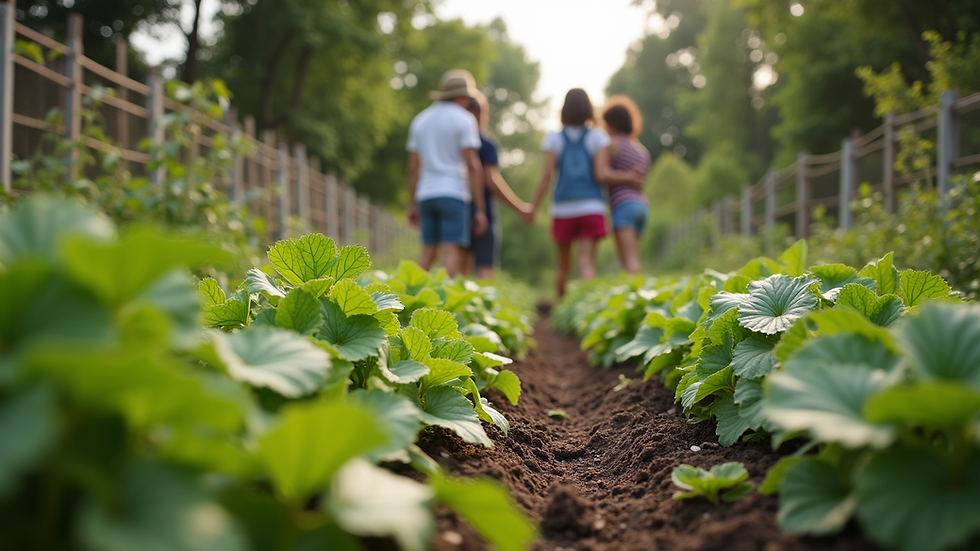
In the journey toward food sovereignty, every effort matters. Whether you volunteer, advocate, or simply spread the word, you are contributing to a movement that empowers communities. Together, we can create a future where everyone has access to healthy, culturally relevant food produced sustainably.
Let’s take the first step today and support food sovereignty through community outreach. Your involvement can make a difference, and together, we can cultivate a better food system for all.


Comments